
Waterway fencing that keeps stock out
Fences along streams, drains and wet areas on Waikato farms and lifestyle blocks, built to suit your stock, your ground and your plan.
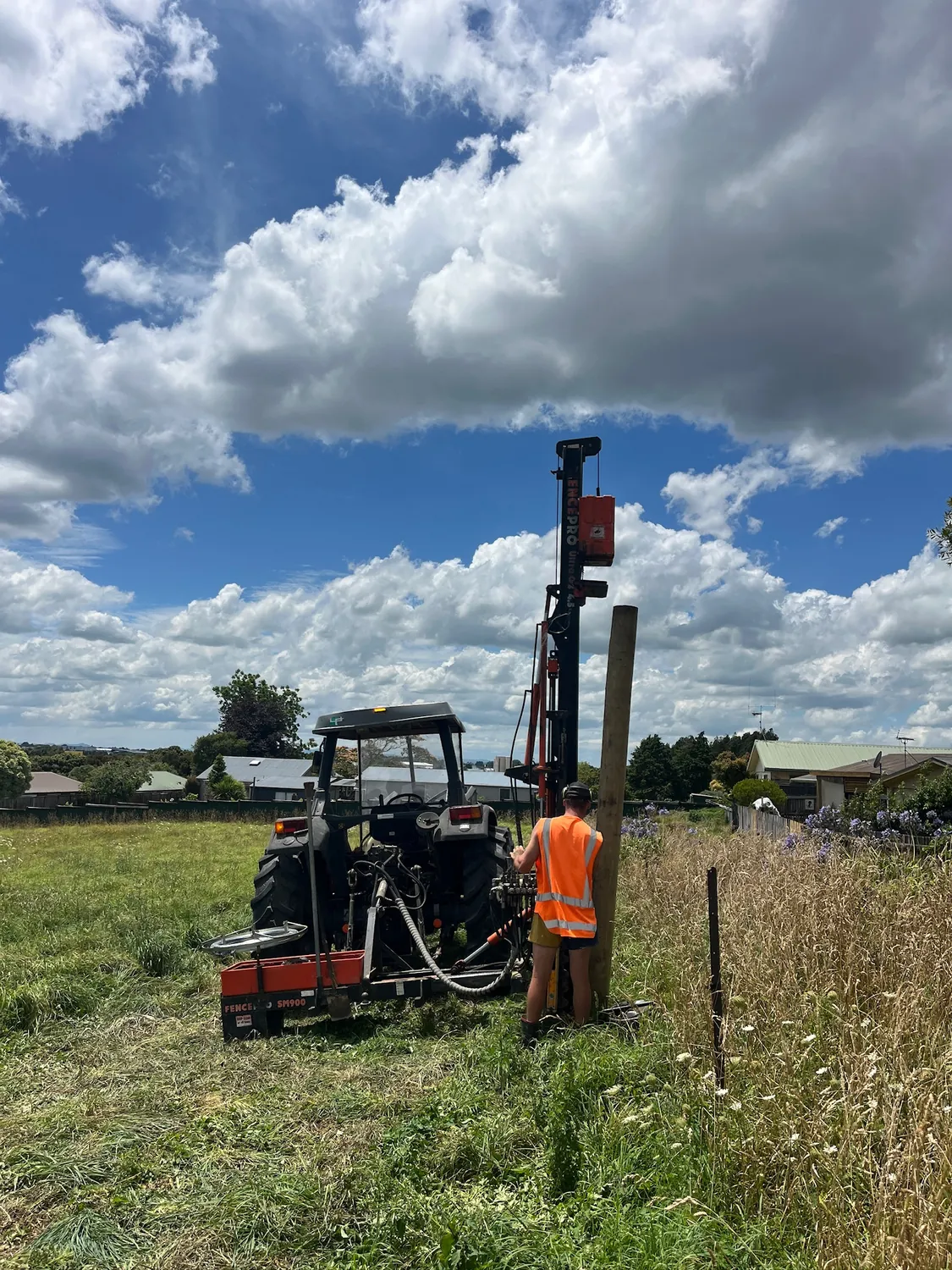
Woodney Contracting builds waterway fences on farms and lifestyle blocks across the greater Waikato. Keeping stock out of streams, drains and wet areas protects the banks and the water, and for some properties it is a legal requirement. We are a rural fencing crew with a post driver and our own digger, so we can clear the line, set the posts and build any crossing in one job. Waikato Regional Council can tell you what applies to your property.
Fencing for streams, drains and wet areas
One crew for the fence line, the posts and the crossings.
Stream and drain fencing
Fence lines set back from the bank to keep stock out of the water.
Ponds and wet areas
Fencing around ponds, seepages and soft ground.
Post and wire
A proven, practical option for stock exclusion along long runs.
Post and rail
A stronger, tidier option where it suits the site and the stock.
Crossings & culverts
A way to get stock and machinery over a drain without opening it up.
Gates & access
Gateways positioned for stock movement and machinery access.
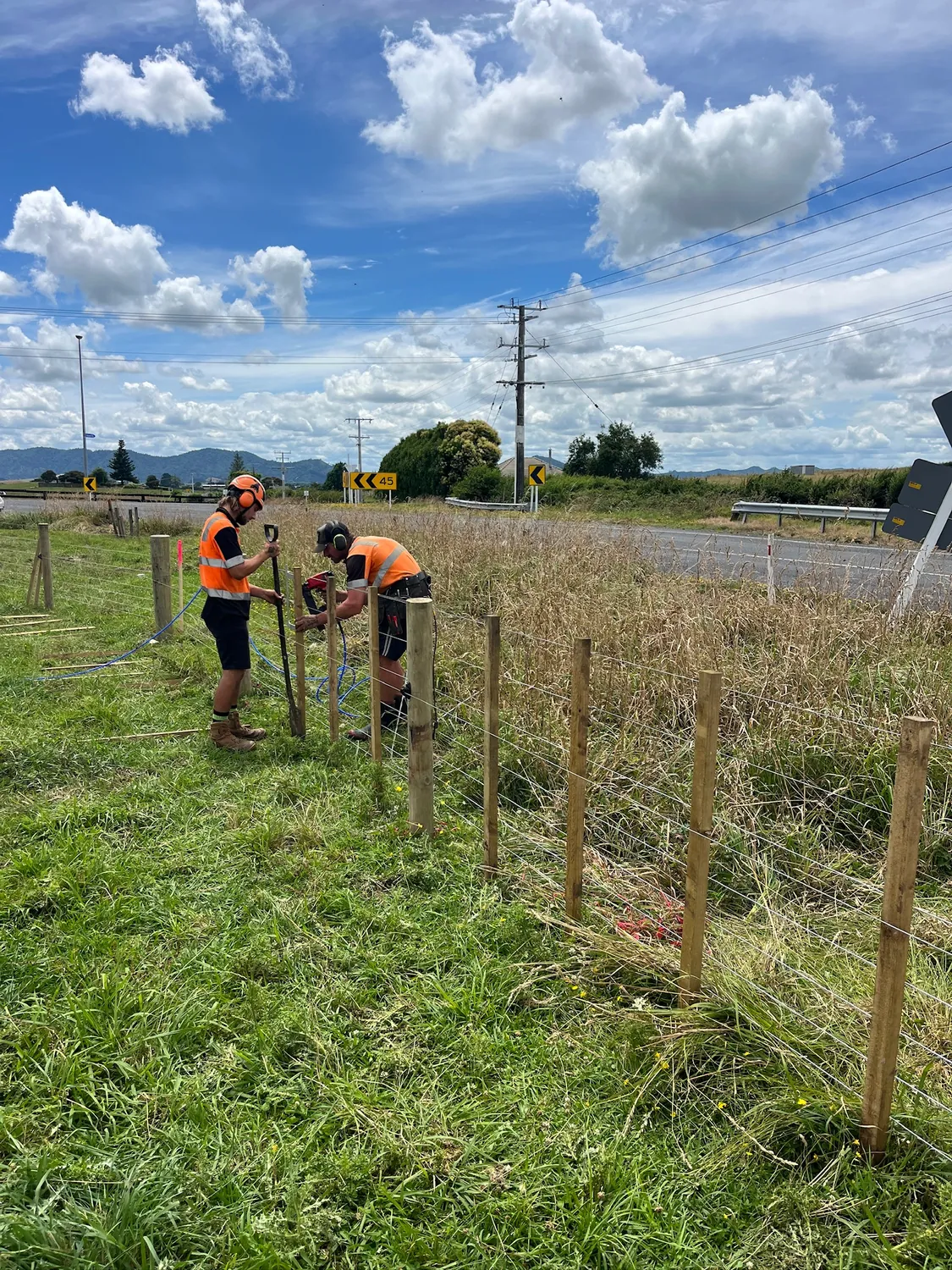
Stock exclusion rules differ by property
National stock exclusion regulations require certain stock to be kept out of certain rivers, lakes and wetlands. What applies to you depends on your stock, the slope of your land and the waterway. The dates and detail have been amended since 2020, so read the current regulations and talk to Waikato Regional Council or your farm advisor, then talk to us about the build.
- Fence line set back from the waterway
- Post driver and digger on the same crew
- Crossings and gates planned in
- Local crew, fully insured
From site walk to finished fence
Site walk
We walk the fence line with you, noting the ground, the water, the stock and where you need to cross.
Clear quote
You get a clear quote before any work starts, covering the fence, gates and any crossings.
Build
We clear the line, drive or drill the posts, and build the fence and gates.
Check & tidy
We check the fence is tight and the gates swing, and leave the site tidy.
What to think about before we build
Stock
Cattle, deer, sheep and horses all affect the fence type and the height.
Flooding
A fence in a flood path can be damaged by high water, so the line and design matter.
Setback
The further back from the bank, the better for the water, and the national rules set a minimum.
Crossings
Plan where stock and machinery need to cross before the fence goes in, not after.
Water supply
Stock excluded from a stream still need water, so think about troughs and reticulation.
Approvals
Work in or near a waterway can need council approval, so check before you start.
What affects the cost of waterway fencing
There is no flat price per metre, so we quote after a free site visit.
Length
Long, straight runs are the most efficient.
Ground
Soft, wet or stony ground slows the posts and adds machine time.
Fence type
Post and rail costs more than post and wire.
Crossings
Each crossing or culvert adds materials and machine time.
Access
Poor access to the fence line adds time and hand work.
Clearing
Scrub, trees and old fencing on the line have to be cleared first.
Read our guide to fencing a lifestyle block or see our rural fencing page.
Waterway fencing across the greater Waikato
Hamilton / Cambridge / Te Awamutu / Morrinsville / Ngāruawāhia / Huntly / Raglan / Matamata / Tamahere / Ōhaupō / Gordonton / and the surrounding rural districts.
Waterway fencing questions
01Do you build fences along streams, drains and waterways?
Yes. We build fences along streams, drains, ponds and wet areas on farms and lifestyle blocks across the Waikato, to keep stock out of the water and protect the banks.
02Do I have to fence my waterways?
Possibly. National stock exclusion regulations require some stock to be kept out of certain rivers, lakes and wetlands, depending on the stock type, the slope of the land and the width of the waterway. The rules have been amended since they started, so read the current Resource Management (Stock Exclusion) Regulations 2020 and ask Waikato Regional Council what applies to your property.
03How far back from the water should the fence go?
The stock exclusion regulations set a minimum setback from the bed of a river or lake for stock that must be excluded, generally 3 m on the national rules. Local plans and your farm plan may ask for more, so check the current rules and talk to us about the line before we build.
04What type of fence is used for waterways?
Post and wire and post and rail are the common choices. The right one depends on your stock, the ground, how often the area floods and your budget. See post and rail vs post and wire fencing.
05Can you fence soft or wet ground?
Yes, but wet ground near water is harder on posts and machinery, so we plan the access, the ground and the fence line on site before we quote.
06Do you build crossings and culverts so stock and machinery can cross?
Yes. Where you need to get stock, vehicles or machinery over a drain or stream we can install a culvert or crossing. See our culverts and drainage page. Works in or near a waterway can need council approval, so check with the council first.
07Do you fence lifestyle blocks as well as farms?
Yes. See our guide to fencing a lifestyle block and our rural fencing page.
08How much does waterway fencing cost?
It depends on the length, the ground, access, the number of crossings and the fence type. We give you a clear quote after a free on-site visit.
09Do you do the earthworks and the fence together?
Yes. We are also an excavation and earthworks contractor, so we can clear the line, drive or drill the posts and sort a crossing in the same job.
10What areas do you cover?
We build waterway fences across Hamilton's surrounding rural areas, Cambridge, Te Awamutu, Morrinsville, Ngāruawāhia, Huntly and the wider Waikato.
Need a waterway fenced?
Tell us about the property and the waterway, and we will walk the line and quote.